Understanding Tyler Technologies Credit Card Charges
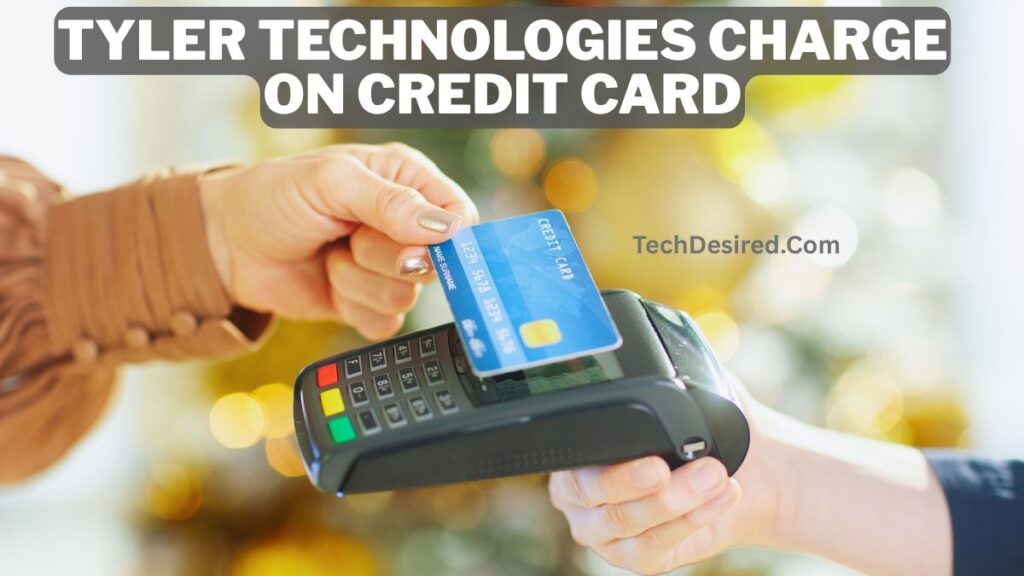
If you’ve noticed a Tyler Technologies charge on credit card statement and feel confused about its origin, you’re not alone. Thousands of people search for this term monthly trying to understand mysterious charges from this company. Tyler Technologies is a legitimate software and technology services provider primarily serving government entities, but their charges can appear on personal credit cards under various circumstances that aren’t always immediately obvious.
Tyler Technologies specializes in software solutions for the public sector including courts, schools, municipalities, and various government agencies. Their products include case management systems, tax collection software, public safety solutions, and online payment portals. When you see a Tyler Technologies charge, it typically relates to government-related payments processed through their payment gateway systems rather than direct purchases from Tyler Technologies itself.
The confusion around Tyler Technologies charge on credit card statements stems from the fact that most people don’t realize they’re interacting with Tyler’s payment processing infrastructure. You might pay a traffic ticket online, register your child for school activities, pay property taxes, or make court-related payments without ever seeing the Tyler Technologies name during the transaction. Yet their name appears on your credit card statement because they process the payment on behalf of the government entity.
Common Reasons for Tyler Technologies Charges
Government Payment Processing
The most common reason for seeing a Tyler Technologies charge on credit card is payment processing for government services. Tyler Technologies operates payment portals for thousands of municipalities, counties, and state agencies across the United States. When you pay for government services online, there’s a high probability Tyler’s infrastructure processes that transaction even if you never saw their name during checkout.
Traffic ticket payments represent one of the most frequent sources of Tyler Technologies charges. Many cities and counties use Tyler’s Court Case Management system which includes integrated online payment functionality. When you pay a speeding ticket, parking violation, or other traffic citation online, Tyler often processes that payment. The charge might appear as “Tyler Technologies” or variations like “TYLER TECH” or “TYLER TECHNOLOGIES INC” on your statement.
Property tax payments frequently generate Tyler Technologies credit card charges as well. Numerous tax assessor and collector offices nationwide use Tyler’s tax software systems. When property owners pay their annual or semi-annual property taxes online using credit or debit cards, Tyler’s payment gateway handles the transaction. These charges can be substantial—often hundreds or thousands of dollars depending on property values—making them particularly noticeable on credit card statements.
Court and Legal System Payments
Court-related payments create another major category of Tyler Technologies charge on credit card scenarios. The company’s Odyssey Case Management system is used by courts in numerous states for case management and payment processing. If you’ve paid court fees, fines, restitution, or other legal obligations online, Tyler likely processed that payment.
Child support payments sometimes process through Tyler Technologies systems in states where the company provides child support enforcement software. These recurring charges might appear monthly on credit card statements, and if you’re not the person who set up the payment, it can be particularly confusing when you notice these charges. Parents making regular support payments should recognize these as legitimate recurring transactions.
Bail bond payments occasionally route through Tyler Technologies payment systems in jurisdictions using their justice system software. These are typically one-time charges that can be substantial amounts. If someone in your family or circle had legal issues requiring bail, and you paid online, this could explain an unexpected Tyler Technologies charge.
School and Education-Related Payments
School districts increasingly use Tyler Technologies software for student information systems and payment processing. When parents pay for school lunches, athletic fees, field trip costs, or other educational expenses through school payment portals, Tyler often handles the backend processing. These charges might be recurring (like monthly lunch account refills) or one-time payments for specific activities.
Suggested read: Simple Assault Charge: What You Need to Know About Penalties, Defenses, and Legal Options
School registration fees processed through district websites frequently result in Tyler Technologies charges on credit cards. At the beginning of school years, parents paying registration fees, technology fees, or other enrollment-related costs online may see these charges. The amounts vary widely depending on the school district and specific fees involved.
Extracurricular activity payments like sports registration, music programs, or after-school clubs might process through Tyler Technologies systems if your school district uses their software. These charges typically occur at the start of seasons or semesters when parents register children for activities. The merchant name on your credit card might not clearly indicate which school activity the payment relates to, causing confusion. Similar to understanding usa technologies charge patterns, recognizing Tyler Technologies transactions requires familiarity with the services you’ve used.
Utility and Municipal Services
Some municipalities use Tyler Technologies software for utility billing and payment processing. Water, sewer, garbage, and other utility payments made through city websites might process via Tyler’s infrastructure. These are typically recurring monthly charges, though amounts vary based on usage and service types.
Business license renewals and permit fees occasionally process through Tyler Technologies payment systems in cities using their municipal management software. Business owners paying for licenses, permits, or other regulatory fees online might see these charges. These are usually annual or periodic rather than monthly recurring charges.
Parking permits and residential parking passes in some cities process through Tyler Technologies systems. If you’ve purchased annual parking permits, visitor passes, or other parking-related permissions through your city’s website, this could explain a Tyler Technologies charge. These charges are typically one-time or annual rather than monthly recurring.
How to Verify Tyler Technologies Charges
Checking Your Payment History
The first step in verifying any Tyler Technologies charge on credit card is reviewing your recent payment activity. Think back over the past few days or weeks about any government-related payments you’ve made. Did you pay a ticket? Make a property tax payment? Pay school fees? These are the most likely sources of legitimate Tyler charges.
Review email confirmations from recent transactions. Most government payment portals send confirmation emails after processing payments. Search your email inbox for terms like “payment confirmation,” “receipt,” or the name of the government entity you paid. These emails often include transaction details, confirmation numbers, and amounts that should match the Tyler Technologies charge on your credit card statement.
Check your browser history if you made payments recently but don’t remember specifics. Looking through websites you’ve visited can jog your memory about payments made. Look for city government sites, court websites, school district portals, or other official government domains. Revisiting these sites might help you recall transactions that resulted in Tyler Technologies charges.
Contacting the Billing Entity
If you can’t immediately identify the source of a Tyler Technologies charge on credit card, contact the government entity that likely processed it. Start with entities you’ve recently interacted with—your city government, county courthouse, school district, or other agencies. Explain that you see a Tyler Technologies charge and need help identifying which service or payment it relates to.
Have your credit card statement ready when calling. Government clerks or customer service representatives can typically search their payment systems using the charge amount, date, and last four digits of your credit card number. Most agencies maintain detailed payment records and can quickly identify transactions processed through their Tyler Technologies payment portals.
Many government entities now have online account systems where you can log in and view payment history. If you’ve used a government service that required creating an account, log in and check your transaction history. These systems usually show detailed payment information including dates, amounts, and descriptions that should match the Tyler Technologies charges on your credit card.
Suggested read: Drug Charges Lawyer: What You Need to Know Before Your Case Goes Too Far
Reviewing Tyler Technologies Statement Descriptors
Tyler Technologies charges can appear under various descriptor names on credit card statements. Common variations include “TYLER TECHNOLOGIES,” “TYLER TECH,” “TYLER TECHNOLOGIES INC,” or abbreviated versions. Some statements might include additional information like city names or abbreviations indicating the specific government entity that processed your payment.
Understanding statement descriptor formats helps identify legitimate charges. Credit card statements typically show: merchant name, transaction date, posting date, and amount. The merchant name for Tyler Technologies might be followed by a phone number (often 800-646-2392, their customer service line). Having this information helps distinguish legitimate charges from potential fraud.
Some Tyler Technologies credit card charges include reference numbers or transaction IDs on statements. These alphanumeric codes help trace specific transactions back to their sources. If you see such codes, note them down before contacting Tyler Technologies or the relevant government agency—these codes expedite the research process when customer service representatives help identify charge sources.
Disputing Unauthorized Tyler Technologies Charges
Identifying Fraudulent Charges
Not all Tyler Technologies charges on credit cards are legitimate. Credit card fraud occurs regularly, and fraudsters sometimes use merchant names like Tyler Technologies for unauthorized charges. Signs of fraudulent charges include amounts that don’t match any payments you’ve made, charges appearing on dates when you made no government-related payments, or multiple unexpected charges in short timeframes.
Compare charge amounts to typical government fee ranges. Traffic tickets typically range $50-500, property tax payments vary widely but usually align with known tax amounts, and school fees typically range $20-200. If you see a Tyler Technologies charge for an unusual amount like $1,247.82 or other odd figures that don’t match typical government fee structures, investigation is warranted.
Check if other family members made payments using your card. Sometimes household members pay tickets, school fees, or other government services using family credit cards without informing the primary cardholder. Before assuming fraud, verify whether authorized users on your account made legitimate payments that would generate Tyler Technologies charges.
Steps to Dispute Charges
If you determine a Tyler Technologies charge on credit card is unauthorized, act quickly. Federal law protects consumers against unauthorized credit card charges, but prompt action strengthens your position. Start by contacting your credit card issuer’s fraud department immediately. Most cards have 24/7 fraud hotlines listed on the back of cards or on monthly statements.
File a formal dispute with your credit card company. Explain that you see a charge from Tyler Technologies that you didn’t authorize and can’t identify. Credit card issuers typically investigate disputes within 30-90 days. During investigation, they often issue provisional credits to your account for the disputed amount while they research the charge’s legitimacy.
Contact Tyler Technologies customer service directly at their published phone numbers. Explain the situation and provide transaction details from your credit card statement. Tyler’s customer service can often identify which government entity processed the charge and provide contact information for that agency. This information helps your credit card company’s investigation and might expedite resolution.
Protecting Against Future Unauthorized Charges
After resolving disputed Tyler Technologies charges, take steps preventing future unauthorized transactions. Review your credit card security settings and enable transaction alerts. Most credit card issuers offer text or email alerts for every transaction, helping you catch unauthorized charges immediately rather than discovering them weeks later on statements.
Consider using virtual credit card numbers for online government payments. Many credit card companies now offer temporary virtual card numbers that work for single transactions or specific merchants. Using these for government payments provides an additional security layer—if that number is compromised, your actual credit card number remains secure.
Suggested read: The Bully in Charge Chapter 97: Everything You Need to Know About This Game-Changing Manhwa Arc
Monitor your credit reports regularly for signs of identity theft beyond credit card fraud. Unauthorized Tyler Technologies charges might indicate broader identity theft where someone is using your personal information for various fraudulent activities. Free annual credit reports from AnnualCreditReport.com help monitor for suspicious accounts or inquiries.
Tyler Technologies Payment Processing Explained
How the Payment Gateway Works
Tyler Technologies operates extensive payment gateway infrastructure processing millions of transactions annually for government entities. When you pay on a government website, your payment information passes through Tyler’s secure systems which handle authorization, processing, and settlement with your credit card issuer. The government entity receives the payment minus processing fees, while Tyler handles all technical and security aspects.
The payment flow for Tyler Technologies charges involves multiple steps. First, you enter payment information on a government website. That information transmits to Tyler’s payment gateway through secure encrypted connections. Tyler’s systems communicate with your credit card network (Visa, Mastercard, etc.) to authorize the charge. Once authorized, the transaction processes and funds transfer from your account to the government entity’s account.
Tyler Technologies maintains PCI DSS (Payment Card Industry Data Security Standard) compliance ensuring secure handling of credit card information. This compliance requires regular security audits, encrypted data transmission, secure data storage, and numerous other security measures. Government entities partner with Tyler partly because maintaining this compliance independently would be costly and complex for individual municipalities or agencies.
Processing Fees and Charges
Tyler Technologies credit card charges often include convenience fees added to the base payment amount. These fees, typically 2-3% of the transaction amount or a flat fee (often $2-5), cover the costs of credit card processing. Government entities generally cannot absorb credit card processing costs, so they pass these fees to consumers who choose credit card payment over free payment methods like electronic bank transfers.
Understanding why convenience fees exist helps explain slightly higher-than-expected Tyler Technologies charges. Credit card networks charge merchant fees (typically 2-3% plus per-transaction fees) for processing. Government entities are merchant category code (MCC) classified differently than regular retailers and often face higher processing costs. Rather than raising fees for all payment methods, they charge convenience fees specifically to credit card users.
Some government entities using Tyler Technologies offer fee-free payment alternatives. Many court systems, tax collectors, and other agencies accept electronic checks (eChecks) or ACH transfers without convenience fees. If you make regular government payments and want to avoid these fees, explore whether the entity offers fee-free payment methods processed through Tyler’s systems.
Security and Data Protection
Tyler Technologies implements multiple security layers protecting payment information. Encryption protects data transmission between your browser and Tyler’s servers. Tokenization replaces sensitive card numbers with non-sensitive equivalents preventing data breaches from exposing actual credit card information. These security measures comply with industry standards and regulations.
Two-factor authentication increasingly appears in government payment portals using Tyler Technologies infrastructure. For high-value transactions or sensitive account access, you might need to verify identity through text messages, email codes, or authentication apps. This additional security layer protects against unauthorized access even if someone obtains your login credentials.
Tyler Technologies maintains audit trails for all transactions processed through their systems. These detailed logs help investigate disputed charges, track payment histories, and ensure accountability. When you dispute a charge, these audit trails provide the documentation needed to verify transaction legitimacy or identify fraudulent activity.
Common Tyler Technologies Charge Scenarios
Traffic and Parking Violations
Traffic violation payments represent the single most common source of Tyler Technologies charges on credit cards. The scenario typically unfolds like this: you receive a traffic ticket, visit the court’s website to pay online, enter your credit card information, and complete the payment. Days later, your credit card statement shows a Tyler Technologies charge that you might not immediately connect to that traffic ticket payment.
Suggested read: How to Charge a 12V Battery: Everything You Need to Know About 12V Battery Charging
Parking ticket payments follow similar patterns generating Tyler Technologies credit card charges. Many cities contract with Tyler for parking violation management and payment processing. When you pay parking tickets online—whether for meters, residential permits, or other violations—Tyler often processes these transactions. The charges might be modest ($25-100 typically) but can still cause confusion if you don’t connect them to the parking tickets you paid.
Red light camera and speed camera violations increasingly process through Tyler Technologies systems. Automated enforcement systems generate tickets that jurisdictions manage through Tyler’s software. When you pay these camera-generated tickets online, Tyler processes the payment. These charges are usually distinguishable by amount—often $50-150 depending on jurisdiction and violation type.
Property Tax Payments
Property tax payments create some of the largest Tyler Technologies charges people see on credit cards. Annual or semi-annual property tax bills can be substantial—thousands of dollars for many homeowners. When you pay these online through your county tax assessor or collector’s website, Tyler often handles processing. The large amounts make these charges particularly noticeable and worthy of verification.
Some jurisdictions allow property tax installment payments through Tyler Technologies systems. Instead of paying annual taxes in one or two lump sums, homeowners can make monthly or quarterly payments. These recurring charges might appear regularly on credit card statements. If you’ve enrolled in an installment payment plan for property taxes, recurring Tyler Technologies charges in predictable amounts are normal.
Tax certificate purchases and property auction payments occasionally process through Tyler Technologies in counties using their tax software. Real estate investors purchasing tax liens or properties at tax sales might see Tyler charges related to these transactions. These are typically substantial one-time charges reflecting the significant amounts involved in property transactions.
School District Transactions
School lunch account replenishments generate frequent Tyler Technologies charges for parents using automated systems. Many school districts offer online portals where parents can add funds to student lunch accounts. When you refill these accounts—whether manually or through auto-replenishment features—Tyler often processes the payment. These charges typically range $20-100 depending on how much you add to lunch accounts.
Athletic and activity fee payments create Tyler Technologies charges on credit cards during registration periods. When fall sports registration opens or spring activity sign-ups occur, parents paying fees online might see multiple charges if they have several children participating in different programs. These charges typically range $50-300 per child per activity.
School supply fee payments and technology fees increasingly process through Tyler Technologies systems in districts using their student information software. At the start of school years, parents paying mandatory fees for supplies, technology usage, or other educational expenses might see Tyler charges. These are usually annual charges ranging $25-150 per student depending on grade level and district policies.
Tyler Technologies Company Background
Business Overview and Services
Tyler Technologies is a publicly-traded company (NYSE: TYL) founded in 1966, making it one of the longest-established technology companies serving government. The company employs over 6,000 people and serves more than 26,000 client sites across all 50 states, Canada, the Caribbean, and other locations. Their focus on public sector technology makes them a dominant player in government software and services.
The company’s revenue primarily comes from software licensing, subscription services, and transaction-based fees from payment processing. When you see a Tyler Technologies charge on credit card, the transaction-based revenue model is at work—Tyler receives a small percentage of each payment processed through their systems. This model has proven successful, with the company reporting over $1.8 billion in annual revenue.
Tyler Technologies has grown significantly through acquisitions, purchasing numerous smaller companies specializing in various aspects of government technology. These acquisitions expanded Tyler’s product portfolio and client base, making them increasingly likely to be involved in government payment processing. The company’s growth strategy means more government entities use their systems each year, increasing the likelihood of consumers encountering Tyler Technologies charges.
Suggested read: Understanding Shoplifting Charges: What You Need to Know About Theft Penalties and Legal Consequences
Major Product Lines
Tyler’s Court & Justice solutions represent a major source of Tyler Technologies payment processing charges. Products like Odyssey Case Management serve courts handling criminal, civil, traffic, and domestic relations cases. The integrated payment processing in these systems means traffic tickets, court fees, fines, and other judicial payments often route through Tyler’s infrastructure.
Financial management and taxation software creates another significant category of Tyler Technologies charges. Products like Munis and Eden handle property tax billing, assessment, and collection for counties and municipalities. When property owners pay taxes online through these systems, Tyler processes the payments. The company’s strong market position in tax software explains why tax-related Tyler charges are so common.
Student information systems and school administration software generate Tyler Technologies credit card charges when parents pay school-related fees. Tyler’s school software serves districts of all sizes, from small rural districts to large urban systems. The widespread adoption of their education software means parents across the country potentially encounter Tyler charges when making school payments.
Industry Position and Market Share
Tyler Technologies holds dominant market share in many government software categories. In court case management, they’re the clear market leader with approximately 30% market share nationally. This leadership position means if you pay a court-related fee online anywhere in the US, there’s roughly a one-in-three chance Tyler’s infrastructure processes that payment.
The company’s property tax software similarly commands significant market share. Tyler serves more than 600 counties for property tax functions, representing a substantial portion of the US property tax market. This explains why property tax payments are among the most common sources of Tyler Technologies charges on credit cards.
In school district software, Tyler Technologies competes with several other major players but maintains strong market presence. Their student information systems serve thousands of school districts, making school-related Tyler charges common for parents. The company continues expanding its education market share through product development and strategic acquisitions.
Frequently Asked Questions About Tyler Technologies Credit Card Charges
Why is there a Tyler Technologies charge on my credit card?
A Tyler Technologies charge on credit card appears because you made a payment to a government entity that uses Tyler’s payment processing services. Common reasons include paying traffic tickets, property taxes, court fees, school fees, or other municipal services online. Tyler processes payments for thousands of government agencies across the United States, so any online payment to courts, cities, counties, schools, or state agencies might result in a Tyler Technologies charge appearing on your statement. Review recent government-related transactions to identify which specific payment created the charge.
Is Tyler Technologies a legitimate company?
Yes, Tyler Technologies is completely legitimate. It’s a publicly-traded company (NYSE: TYL) that has served government entities since 1966. Tyler is the largest provider of software and technology services exclusively focused on the public sector in North America. The company processes millions of legitimate government payment transactions annually. Seeing their name on your credit card statement is normal if you’ve made any government-related payments online. However, like any merchant name, fraudsters might attempt to use it for unauthorized charges, so always verify charges match payments you actually made.
How do I contact Tyler Technologies about a charge?
Contact Tyler Technologies customer service at 800-646-2392 for questions about charges appearing on your credit card. However, Tyler often directs inquiries to the specific government entity that processed your payment, since Tyler provides the technology infrastructure rather than directly billing consumers. Having your credit card statement handy with transaction dates, amounts, and any reference numbers helps representatives identify the source of charges. Alternatively, contacting the government entity you recently paid (court, tax office, school, etc.) might provide faster answers since they have direct access to your payment records.
Can I get a refund for Tyler Technologies charges?
Refunds for Tyler Technologies charges must be requested through the government entity that received your payment, not Tyler Technologies directly. Tyler processes payments but doesn’t control refund policies—those policies belong to individual courts, municipalities, schools, or other agencies. If you paid the wrong amount, paid a ticket that was dismissed, or qualify for a refund for other reasons, contact the agency that received your payment. They can issue refunds which will appear as credits on your credit card, often with Tyler Technologies noted as the merchant since they process refunds through the same system.
Are Tyler Technologies charges recurring?
Whether Tyler Technologies charges recur depends on the service you’re paying for. Property tax installment plans create recurring monthly or quarterly charges. School lunch account auto-replenishments generate recurring charges when balances fall below specified thresholds. Child support payments might recur monthly. However, many Tyler charges are one-time transactions for traffic tickets, court fees, annual tax payments, or other single-occurrence services. Review the payment terms when making government payments online to understand whether you’re setting up recurring payments or making one-time transactions.
Suggested read: Finding the Right Lawyers for Assault Charges: What You Need to Know Before Hiring
What should I do if I don’t recognize a Tyler Technologies charge?
If you don’t recognize a Tyler Technologies charge on credit card, first review recent government-related activities. Check email for payment confirmations from courts, schools, tax offices, or municipal services. Ask authorized users on your credit card whether they made government payments. If you still can’t identify the charge after thorough investigation, contact your credit card issuer to dispute it as unauthorized. Also call Tyler Technologies customer service to help identify the charge source. Act quickly—federal law provides fraud protection, but timely reporting strengthens your case.
Why are there convenience fees on Tyler Technologies charges?
Convenience fees on Tyler Technologies charges cover credit card processing costs that government entities cannot absorb into their general budgets. Credit card networks charge merchant fees (typically 2-3% plus transaction fees) for processing payments. Government agencies generally offer alternative payment methods without fees—like electronic checks or ACH transfers—and charge convenience fees only to consumers choosing credit card payment methods. These fees are disclosed before you complete payments and are legal under card network rules. If you make regular government payments and want to avoid these fees, explore whether the entity offers fee-free payment alternatives.
Can I dispute Tyler Technologies convenience fees?
Disputing convenience fees on Tyler Technologies charges is generally unsuccessful since these fees are disclosed before payment completion and are permissible under credit card network regulations. Government entities can charge convenience fees for credit card payments as long as they’re disclosed to customers before transactions complete. If fees weren’t disclosed, you have grounds to dispute them with your credit card issuer. However, if the payment page clearly stated convenience fees before you authorized payment, you agreed to those fees and cannot successfully dispute them as unauthorized charges.
How long do Tyler Technologies charges take to appear?
Tyler Technologies charges typically appear on credit cards within 1-3 business days after making payments. However, timing varies based on your credit card issuer’s posting schedules and when you made the payment. Payments made on weekends or holidays might take longer to post. Most people notice charges appearing 24-48 hours after making government payments online. If you’re trying to verify whether a recent payment caused a Tyler charge you see, check if the charge date (or posting date on your statement) aligns with when you made the government payment.
Does Tyler Technologies store my credit card information?
Tyler Technologies uses tokenization and secure storage methods for handling payment information, but their data retention policies vary by jurisdiction and agreement with individual government entities. When you make one-time payments, your card information typically isn’t stored for future use. However, if you set up recurring payments or create an account with a government payment portal, some payment information might be securely stored (usually tokenized rather than actual card numbers) to facilitate future transactions. Review privacy policies on government payment sites if you have concerns about how payment information is stored and used.
Taking Action on Tyler Technologies Credit Card Charges
Understanding Tyler Technologies charges on credit cards empowers you to manage your finances more effectively and identify legitimate versus potentially fraudulent transactions. Most Tyler charges are completely legitimate government payments that you made but might not immediately recognize on credit card statements. Taking a few minutes to review recent government transactions usually resolves any confusion about these charges.
If you make regular government payments—monthly school fees, quarterly property tax installments, or other recurring obligations—expect to see Tyler Technologies charges appearing regularly on your statements. Creating a simple tracking system noting when you make these payments helps you anticipate and verify charges before they create concern. A basic spreadsheet or calendar notation about government payments provides the reference needed for confident charge verification.
For anyone discovering unauthorized Tyler Technologies charges, prompt action protects your finances and rights. Contact your credit card issuer immediately, file formal disputes, and take steps to protect against future unauthorized transactions. Federal consumer protection laws provide strong safeguards against credit card fraud, but exercising these protections requires timely reporting and documentation.
Concerned about a Tyler Technologies charge on your credit card? Don’t wait—verify the charge immediately by reviewing recent government payments, checking email confirmations, or calling the government entities you’ve recently paid. If you can’t identify the charge, contact your credit card issuer’s fraud department right away. Quick action protects your finances and helps resolve issues faster. Visit Tyler Technologies official website for more information about their services, or call their customer service at 800-646-2392 for assistance identifying charges.
Sources and Citations:
- Tyler Technologies Inc: Annual Reports and Investor Relations documentation
- Federal Trade Commission: “Credit Card Charges and Your Rights”
- Consumer Financial Protection Bureau: “Disputing Credit Card Charges Guidelines”
- Payment Card Industry Security Standards Council: PCI DSS compliance documentation
- National Association of Counties: “Technology Solutions for Local Government”
- Government Finance Officers Association: “Electronic Payment Processing Best Practices”
- U.S. Courts Administrative Office: Court technology and payment processing standards
- National Conference of State Legislatures: Government payment processing regulations
- Tyler Technologies: Official product documentation and service descriptions
- Better Business Bureau: Tyler Technologies business profile and customer reviews
Article reflects current information about Tyler Technologies and credit card charges as of December 2025. Company services, policies, and market presence may evolve. Always verify specific charge details directly with your credit card issuer and relevant government entities. This article provides general information and does not constitute financial or legal advice.
Suggested read: How to Drop Charges Against Someone: What You Really Need to Know