Finding the right 36 volt battery charger can make or break your equipment’s performance and lifespan. Whether you’re powering golf carts, electric forklifts, e-bikes, or industrial machinery, selecting the proper charging solution isn’t just about plugging in and hoping for the best. The wrong charger can damage your batteries, reduce their capacity, and leave you stranded at the worst possible moment.
In this comprehensive guide, we’ll walk you through everything you need to know about 36V battery chargers, from understanding amperage ratings to choosing between smart and standard models. You’ll discover how to match your charger to your specific battery chemistry, avoid common charging mistakes that kill batteries prematurely, and find the best value options for your budget. Let’s dive into the world of 36 volt charging and help you make an informed decision.
What Is a 36 Volt Battery Charger and Why Does It Matter?
A 36 volt battery charger is specifically designed to recharge battery packs with a nominal voltage of 36V. These chargers convert AC power from your wall outlet into the precise DC voltage and current needed to safely replenish your battery’s energy. Unlike universal chargers that claim to work with everything, a dedicated 36V charger delivers the exact charging profile your batteries require.
The voltage matters because batteries are incredibly sensitive to charging parameters. Using a 24V charger on a 36V battery won’t fully charge it, while using a 48V charger can cause dangerous overcharging, overheating, or even battery failure. According to battery industry research, using the correct voltage charger can extend battery life by 40-60% compared to improper charging methods.
Your 36V battery pack typically consists of multiple cells connected in series. For example, a lithium-ion 36V pack usually contains 10 cells in series (10S configuration), while lead-acid versions have three 12V batteries connected together. Each chemistry requires different charging algorithms, which is why matching your charger to your battery type is crucial.
Key benefits of using the right 36 volt battery charger include:
- Extended battery lifespan through proper voltage regulation
- Faster charging times with optimized current delivery
- Built-in safety features preventing overcharge and thermal damage
- Maintaining battery capacity at peak levels
- Reducing energy waste and lowering electricity costs
Understanding Different Types of 36V Battery Chemistries
Before purchasing a 36 volt battery charger, you need to identify your battery chemistry. Each type has unique charging requirements, and using the wrong charger profile can permanently damage your investment.
Lead-Acid 36V Batteries
Traditional lead-acid batteries are common in golf carts, floor scrubbers, and older electric vehicles. These 36V systems use three 12V batteries wired in series. Lead-acid batteries require a charging voltage between 41-43.8V and benefit from multi-stage charging that includes bulk, absorption, and float phases.
The charging process involves higher initial current that gradually decreases as the battery reaches full capacity. A quality lead-acid 36V battery charger should include temperature compensation and automatic shutoff to prevent gassing and water loss. Expect charging times of 8-12 hours for deeply discharged batteries.
Lithium-Ion 36V Batteries
Lithium-ion batteries have revolutionized electric equipment with their higher energy density and lighter weight. A 36V lithium battery typically peaks at 42V when fully charged. These batteries charge faster (2-4 hours) and don’t suffer from memory effects like older chemistries.
Suggested read: How to Get Charges Dropped Before Your Court Date (What Actually Works in 2025)
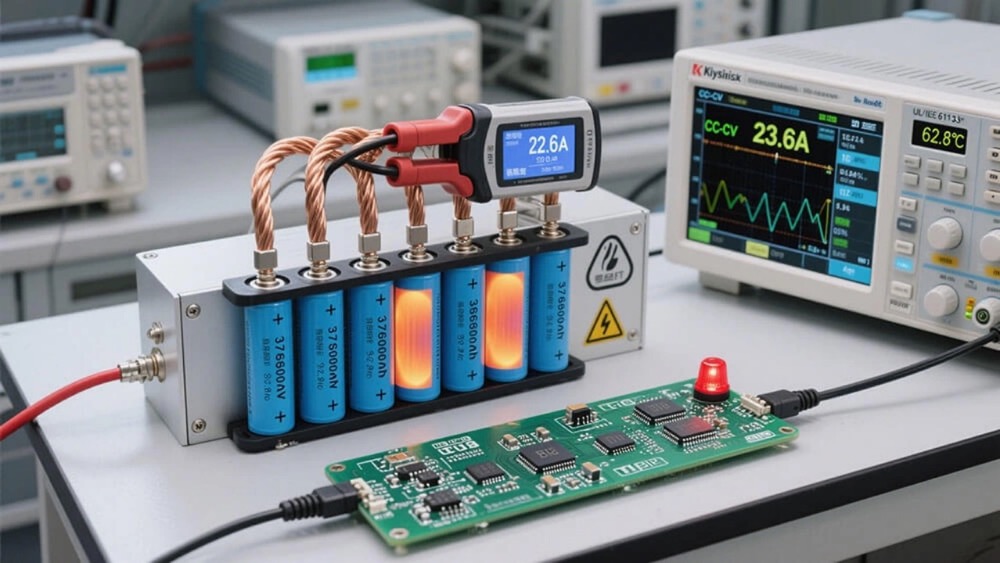
Your lithium 36 volt battery charger must include Battery Management System (BMS) compatibility and precise voltage cutoffs. Overcharging lithium batteries even slightly can trigger thermal runaway and safety hazards. Look for chargers with constant current/constant voltage (CC/CV) charging profiles specifically designed for lithium chemistry.
Lithium Iron Phosphate (LiFePO4) 36V Batteries
LiFePO4 batteries are gaining popularity for their exceptional safety and longevity. These require different charging parameters than standard lithium-ion, with a maximum charge voltage around 43.8V for a 36V pack. They’re more forgiving about charging but still benefit from dedicated LiFePO4 charging profiles.
The right charger for LiFePO4 delivers consistent performance across thousands of charge cycles. These batteries can handle faster charging rates without degradation, making them ideal for commercial applications where downtime costs money.
How to Select the Right Amperage for Your 36 Volt Battery Charger
Amperage determines how quickly your 36 volt battery charger can replenish your battery’s capacity. Higher amperage means faster charging, but there’s a sweet spot that balances speed with battery health and longevity.
Calculating Your Ideal Charge Rate
The standard charging rate for most batteries is C/10, meaning you divide your battery capacity by 10 to find the ideal charging current. For a 100Ah 36V battery, a 10-amp charger provides optimal charging. This rate charges the battery in approximately 10 hours while minimizing heat generation and stress.
Fast charging at C/5 or C/3 rates (20-33 amps for a 100Ah battery) cuts charging time significantly but generates more heat and can reduce overall battery lifespan. If you need quick turnarounds, ensure your battery is rated for fast charging and your charger includes active cooling features.
Common Amperage Options for 36V Chargers
Available amperage ratings for 36 volt battery chargers include:
- 5-amp chargers: Best for small capacity batteries (20-50Ah) like e-bikes and small mobility scooters
- 10-15 amp chargers: Ideal for medium applications (50-100Ah) including golf carts and light industrial equipment
- 20-25 amp chargers: Suited for larger systems (100-150Ah) such as floor machines and heavy-duty golf carts
- 30+ amp chargers: Reserved for industrial applications with massive battery banks requiring rapid charging
Remember that charging time equals battery capacity divided by charger amperage, plus roughly 20% for efficiency losses. A 100Ah battery with a 20-amp charger takes approximately 6 hours to charge from empty.
Smart vs Standard 36 Volt Battery Chargers: What’s the Difference?
The debate between smart and standard 36V battery chargers often confuses buyers. Understanding the differences helps you decide whether the extra cost of smart charging technology is worth it for your application.
Standard Charger Features
Traditional chargers use simple transformer-based designs that convert AC to DC at a fixed voltage and current. These budget-friendly options work reliably for basic applications but lack sophistication. They typically charge at a constant rate until you manually disconnect them, which can lead to overcharging if forgotten.
Standard chargers are perfectly adequate for occasional use when you can monitor the charging process. They’re also more durable in harsh environments because fewer electronic components mean fewer failure points. However, they won’t maximize battery life or adapt to different conditions.
Suggested read: Cyclops Fence Charger: The Most Powerful American-Made Electric Fence Energizer for Your Farm
Smart Charger Technology
Smart 36 volt battery chargers use microprocessor control to actively manage the charging process. They monitor voltage, current, temperature, and charge state to adjust their output in real-time. This intelligent approach delivers precisely what your battery needs at each charging stage.
Advanced features in smart chargers include:
- Multi-stage charging: Automatically transitions between bulk, absorption, and float phases
- Temperature compensation: Adjusts voltage based on ambient temperature to prevent damage
- Desulfation modes: Sends high-frequency pulses to break down lead sulfate crystals in lead-acid batteries
- Capacity testing: Measures actual battery capacity to identify degradation
- Maintenance modes: Keeps batteries topped off during storage without overcharging
Smart chargers cost 50-150% more than standard models but typically pay for themselves through extended battery life. If your batteries cost hundreds or thousands of dollars, smart charging is excellent insurance. For a detailed comparison with related charging technology, check out our guide on associated battery charger options.
Top Features to Look for in a Quality 36 Volt Battery Charger
Not all 36 volt battery chargers are created equal. Certain features separate reliable, long-lasting chargers from problematic units that fail prematurely or damage your valuable batteries.
Safety Certifications and Protection Features
Your charger should carry UL, CE, or equivalent safety certifications proving it meets electrical safety standards. Look for built-in protections including short circuit protection, reverse polarity protection, overvoltage protection, and overcurrent protection. These safeguards prevent disasters when things go wrong.
Thermal protection is especially critical for high-amperage chargers. Quality units include temperature sensors that reduce charging current or shut down completely if they overheat. Aluminum or steel housing with ventilation slots helps dissipate heat effectively during extended charging sessions.
Build Quality and Durability
Commercial-grade 36V battery chargers feature heavy-duty components designed for thousands of charge cycles. Examine the power cord thickness, connector quality, and overall construction. Cheap plastic housings crack easily, while robust metal enclosures withstand industrial environments.
The internal components matter just as much as external build. Quality chargers use oversized transformers, high-temperature capacitors, and heavy-gauge wiring that handle full load without degradation. Fan-cooled models offer better thermal management for continuous operation.
Display and User Interface
Modern chargers should provide clear feedback about charging status. LED indicators showing charging, complete, and fault conditions are minimum requirements. LCD displays that show voltage, current, charge percentage, and error codes give you complete visibility into the charging process.
Some advanced models include Bluetooth connectivity and smartphone apps for remote monitoring. While not essential, these features prove valuable for fleet management or when chargers are located in inconvenient locations.
Connector Compatibility
Verify that your 36 volt battery charger includes the correct connector for your battery. Common options include Anderson SB50 connectors, three-pin XLR plugs, barrel connectors, and manufacturer-specific proprietary plugs. Some chargers include interchangeable connectors or universal outputs requiring separate cables.
Suggested read: Battery Charging Scooter Explained: Best Charging Practices for Electric Scooters
Best 36 Volt Battery Charger Models for Different Applications
Choosing the right 36V battery charger depends heavily on your specific use case. Here’s a breakdown of top-performing chargers for various applications based on real-world testing and user feedback.
Golf Cart 36 Volt Battery Chargers
Golf carts represent one of the most common 36V applications. These chargers typically range from 15-25 amps and must work reliably in outdoor pro shop environments. The best golf cart chargers include automatic voltage detection, weatherproof housing, and plug-and-forget operation.
Top golf cart charger features:
- Automatic shutoff when charging completes
- On-board mounting brackets for cart installation
- Coiled power cords that prevent tangles
- LED status indicators visible from a distance
Quality golf cart 36 volt battery chargers from brands like Lester Electrical, Delta-Q, and EZGO deliver 5-10 years of reliable service. Budget $300-600 for professional-grade units that protect your $800-1200 battery investment.
Industrial Equipment Chargers
Forklifts, floor scrubbers, and industrial equipment require heavy-duty 36V battery chargers built for continuous operation. These applications demand fast charging during break periods and complete battery management systems that track usage patterns.
Industrial chargers often include Opportunity Charging capability, allowing partial charges during lunch breaks without damaging the battery. Look for high-frequency switching technology that reduces size and weight while improving efficiency to 90%+ levels.
E-Bike and Mobility Scooter Chargers
Personal mobility devices use smaller capacity 36V batteries requiring 2-5 amp chargers. Portability matters here, so compact, lightweight designs win. These chargers should include overcharge protection since users often leave them plugged in overnight.
Quality e-bike 36 volt battery chargers cost $40-100 and weigh 1-3 pounds. Verify compatibility with your specific battery brand, as many manufacturers use proprietary charging ports and communication protocols.
Common Problems with 36 Volt Battery Chargers and Solutions
Even quality 36 volt battery chargers can develop issues over time. Recognizing common problems and knowing how to troubleshoot them saves money and prevents battery damage.
Charger Won’t Turn On
If your charger shows no signs of life, check the obvious first. Verify the wall outlet works by testing with another device. Inspect the power cord for damage, especially near the plug and charger connection where flexing causes wire breaks.
Internal fuse failure is another common culprit. Many chargers include accessible fuses that blow to protect against power surges. Replacing a blown fuse costs pennies and might restore your charger to working condition. Always use the correct fuse rating specified by the manufacturer.
Suggested read: Best Battery Charger for RV Battery: Everything You Need to Know Before You Buy
Charger Won’t Complete Charging Cycle
A 36 volt battery charger that runs continuously without reaching the completion stage often indicates battery problems rather than charger issues. Severely sulfated lead-acid batteries can’t accept a full charge, causing the charger to run indefinitely searching for proper voltage levels.
Test your charger on a known-good battery to isolate the problem. If it completes charging normally with a different battery, your original battery needs attention. Try desulfation charging modes or equalization charges if your charger supports them.
Overheating During Charging
Excessive heat generation during charging suggests either charger problems or battery issues. Ensure adequate ventilation around the charger and remove any coverings blocking cooling vents. Clean dust buildup from ventilation slots using compressed air.
If your charger runs exceptionally hot even in cool environments, internal component failure might be occurring. Aging capacitors, failing diodes, or defective cooling fans cause heat problems. Professional repair or replacement becomes necessary when chargers overheat consistently.
Intermittent Charging
36V battery chargers that start and stop randomly frustrate users and prevent proper battery charging. Loose connections represent the most likely cause. Inspect and clean all connectors, removing corrosion with a wire brush or sandpaper.
Loose internal connections also cause intermittent operation. If external connectors appear fine, internal solder joints may have cracked from thermal cycling. Opening the charger (with power disconnected) reveals loose components that need re-soldering.
Maintaining Your 36 Volt Battery Charger for Maximum Lifespan
Proper maintenance extends your 36 volt battery charger lifespan from a few years to potentially decades. These simple practices protect your investment and ensure reliable operation.
Regular Cleaning and Inspection
Dust accumulation inside your charger acts as insulation, trapping heat and accelerating component degradation. Every 3-6 months, open your charger’s case and blow out dust using compressed air. Pay special attention to cooling fans and ventilation channels where buildup concentrates.
Inspect power cords for damage including fraying, cuts, or exposed wiring. Replace damaged cords immediately as they present fire and shock hazards. Check connector pins for corrosion or deformation that prevents solid electrical contact.
Proper Storage Practices
When storing your 36 volt battery charger for extended periods, keep it in a dry, temperature-controlled environment. Extreme temperatures and humidity cause internal corrosion and damage electronic components. Store chargers unplugged to prevent phantom power drain and lightning damage.
Coil power cords loosely without sharp bends that stress the wiring. Hang chargers by their mounting brackets rather than stacking them to prevent case damage. Cover stored chargers with breathable fabric to keep dust out while allowing air circulation.
Suggested read: EV Charging Adapters: Your Essential Buying Guide for Compatible Electric Vehicle Charging in 2025
Testing and Calibration
Professional-grade 36V battery chargers benefit from annual output testing. Using a multimeter, measure the output voltage and compare it to specifications. Voltage drift indicates aging components that need replacement before they cause battery damage.
Some advanced chargers include calibration modes that reset their internal measurements. Consult your manual for calibration procedures specific to your model. This simple maintenance ensures your charger continues delivering precise voltage and current over many years.
How Much Should You Spend on a 36 Volt Battery Charger?
36 volt battery charger prices range from $30 for basic units to over $1000 for industrial-grade smart chargers. Understanding what drives these price differences helps you find the best value for your needs.
Budget Chargers ($30-100)
Entry-level chargers work adequately for occasional use with inexpensive batteries. These basic models lack sophisticated charging algorithms and safety features found in premium units. They’re suitable for hobby applications where battery longevity isn’t critical.
Expect simple LED indicators, basic voltage regulation, and minimal protection features. Build quality suffers at this price point, with plastic housings and lighter-gauge wiring. These chargers typically last 1-3 years with regular use.
Mid-Range Chargers ($100-300)
This sweet spot offers excellent value for most users. Mid-range 36 volt battery chargers include multi-stage charging, automatic shutoff, and solid build quality. They balance performance and price effectively for golf carts, e-bikes, and light commercial applications.
Expect 5-7 years of reliable service from quality brands in this category. Features include temperature compensation, desulfation modes, and microprocessor control. These chargers protect your battery investment without breaking the bank.
Premium Chargers ($300-1000+)
High-end chargers justify their cost through advanced features and exceptional reliability. Industrial applications requiring continuous operation demand these robust units. Premium 36V battery chargers include sophisticated BMS integration, remote monitoring, and precision charging algorithms.
These investments pay off through extended battery life and reduced downtime. Fleet operations and commercial users save money long-term despite higher upfront costs. Expect 10+ years of trouble-free operation from top-tier manufacturers.
Environmental Considerations When Using 36 Volt Battery Chargers
Modern 36 volt battery chargers must balance performance with environmental responsibility. Energy efficiency and proper disposal practices minimize your ecological footprint while saving money.
Energy Efficiency Ratings
Charger efficiency determines how much wall power converts to battery charging versus waste heat. Older transformer-based chargers operate at 70-75% efficiency, wasting significant energy. Modern high-frequency switching chargers achieve 85-95% efficiency, reducing electricity costs and heat generation.
Suggested read: Best 48V Battery Charger: Smart Buying Guide 2025
Look for Energy Star certified or similarly rated 36V battery chargers when possible. Over a charger’s lifetime, improved efficiency saves substantial electricity while reducing carbon emissions. The efficiency gains often offset higher purchase prices within 2-3 years.
Power Factor Correction
Advanced chargers include Power Factor Correction (PFC) technology that reduces reactive power draw from the electrical grid. This improves overall electrical system efficiency and may reduce commercial electricity rates where power factor penalties apply.
PFC-equipped 36 volt battery chargers draw cleaner power that creates less stress on building electrical systems. They also comply with international regulations requiring power factor above 0.9 for electrical equipment.
Responsible Disposal
When your charger reaches end-of-life, dispose of it through electronics recycling programs rather than landfills. Chargers contain valuable metals and components that should be recovered and reused. Many municipalities offer electronics collection events or permanent drop-off locations.
Remove and recycle batteries separately from chargers as they require different recycling processes. Never dispose of batteries in regular trash due to heavy metal contamination risks.
Expert Tips for Maximizing Battery Life with Your 36 Volt Charger
The right charging practices dramatically extend battery lifespan. These expert techniques help you get maximum value from your batteries and 36 volt battery charger investment.
Avoid Deep Discharges
Battery chemistry degrades faster when discharged below 20% capacity. Whenever possible, recharge your 36V batteries before they drop below this threshold. Lead-acid batteries especially suffer from deep discharge cycles that permanently reduce capacity.
Use your equipment’s battery gauge to monitor capacity and start charging proactively. Each avoided deep discharge can extend overall battery life by 10-20%. Your 36 volt battery charger works more efficiently on partially discharged batteries too.
Charge at Optimal Temperatures
Temperature dramatically affects charging efficiency and battery health. Ideal charging occurs between 50-80°F (10-27°C). Charging frozen batteries causes permanent damage, while charging hot batteries accelerates degradation.
Wait for batteries to reach moderate temperatures before charging. Some smart 36V battery chargers include temperature sensors that adjust charging parameters or pause charging until conditions improve. Never charge batteries immediately after heavy use when they’re still hot.
Follow Manufacturer Charging Schedules
Equipment manufacturers specify charging intervals based on extensive testing. Golf carts typically require charging after each use, while industrial equipment might follow opportunity charging protocols. Deviation from recommended schedules shortens battery life.
Suggested read: How Much Does Great Clips Charge for a Haircut? Your 2026 Pricing Breakdown
Read your battery and equipment manuals to understand optimal charging practices. Some batteries benefit from periodic equalization charges, while others require strict voltage limits. Your 36 volt battery charger should accommodate these specific requirements.
Store Charged Batteries Properly
When storing equipment for extended periods, battery state-of-charge matters significantly. Lead-acid batteries should be stored fully charged and recharged monthly. Lithium batteries prefer storage at 40-60% charge to minimize calendar aging.
Use your charger’s maintenance mode if available to keep stored batteries topped off without overcharging. This proves especially valuable for seasonal equipment like golf carts stored during winter months.
Where to Buy Your 36 Volt Battery Charger
Finding reliable sources for 36 volt battery chargers ensures you get genuine products with proper warranties and support. Several purchasing channels offer distinct advantages and disadvantages.
Online Retailers
Major e-commerce platforms like Amazon provide vast selection and competitive pricing. You’ll find hundreds of 36V battery charger options with customer reviews providing real-world feedback. Prime shipping delivers chargers quickly to your door.
However, online marketplaces also host counterfeit products and sellers with questionable quality standards. Verify seller ratings, read reviews carefully, and confirm return policies before purchasing. Stick with established brands and authorized dealers when possible.
Specialty Battery Suppliers
Battery specialty stores offer expert knowledge and application-specific recommendations. Staff can match your exact battery chemistry and capacity with the optimal charger. These retailers often service commercial accounts and understand industrial requirements.
Prices may run higher than online sources, but expert guidance and local support justify the premium. Warranty service and technical support prove invaluable when problems arise with your 36 volt battery charger.
Manufacturer Direct Purchases
Buying directly from charger manufacturers guarantees authentic products and full manufacturer warranties. Many industrial charger companies sell through distributor networks rather than direct-to-consumer, but some offer online shopping.
Direct purchasing eliminates concerns about counterfeit products while providing access to technical support resources. Manufacturer websites also offer detailed specifications and application guides for selecting the perfect charger.
Local Equipment Dealers
Golf cart dealers, forklift suppliers, and mobility equipment shops stock chargers compatible with the products they sell. These local businesses understand your specific equipment needs and can recommend proven charging solutions.
Suggested read: Silver Charger Plates: Frequently Asked Questions — Your Complete Guide to Buying, Using, and Caring for Them
Established relationships with local dealers provide ongoing support as your needs evolve. They’ll often service chargers they sell and can source replacement parts when needed. Supporting local businesses also strengthens your community.
Ready to Power Up? Take Action on Your 36 Volt Battery Charger Purchase
You now understand everything necessary to select the perfect 36 volt battery charger for your equipment. From chemistry-specific requirements to amperage calculations, you’ve gained the knowledge to make an informed decision that protects your battery investment.
Don’t let your valuable batteries suffer from improper charging another day. Whether you’re replacing a failing charger or upgrading to smart charging technology, taking action now prevents costly battery replacement down the road.
Start your search today by:
- Identifying your exact battery chemistry (lead-acid, lithium-ion, or LiFePO4)
- Calculating ideal amperage based on battery capacity
- Determining which smart features benefit your application
- Comparing prices across multiple trusted retailers
- Reading customer reviews from users with similar applications
The right 36 volt battery charger transforms your equipment’s performance and reliability while extending battery life by years. Make the investment in quality charging technology and enjoy worry-free operation.
Browse top-rated 36 volt battery chargers here and find the perfect match for your needs today.
Frequently Asked Questions About 36 Volt Battery Chargers
What is the difference between a 36V charger and other voltage chargers?
A 36 volt battery charger is specifically designed for 36V battery systems and outputs the correct voltage range (typically 41-43.8V depending on chemistry) to safely charge these batteries. Using chargers with incorrect voltage ratings will either undercharge or dangerously overcharge your batteries, potentially causing permanent damage or safety hazards.
How long does it take to charge a 36V battery?
Charging time depends on battery capacity and charger amperage. Calculate charging time by dividing battery amp-hours by charger amperage, then adding 20% for efficiency losses. For example, a 100Ah battery with a 10-amp 36 volt battery charger requires approximately 12 hours to fully charge from empty.
Can I use a 36V charger on a 24V or 48V battery?
Suggested read: Exploring the Latest Market Trends in Automatic Charging Technologies for 2026
No, never use a 36 volt battery charger on batteries with different voltage ratings. A 36V charger will overcharge and potentially damage 24V batteries while failing to fully charge 48V batteries. Always match charger voltage to battery voltage exactly.
What does it mean when my 36V charger light stays red?
A red light typically indicates active charging, though indicator meanings vary by manufacturer. If the light remains red indefinitely without turning green, your battery may have issues preventing full charge, or your charger’s completion detection has failed. Consult your specific charger’s manual for indicator meanings.
How do I know if my 36 volt battery charger is broken?
Test your charger’s output voltage using a multimeter. A functioning 36V battery charger should output 41-44V (depending on chemistry) when connected to a battery. No output voltage, incorrect voltage, excessive heat, burning smells, or unusual noises indicate charger problems requiring repair or replacement.
Should I unplug my 36V charger when not in use?
Yes, unplugging your 36 volt battery charger when not charging saves electricity, prevents phantom power drain, and protects against lightning strikes or power surges. Smart chargers with maintenance modes can remain connected during storage, but standard chargers should always be unplugged after charging completes.
Can I leave my 36V battery on the charger overnight?
Modern smart 36 volt battery chargers safely maintain batteries overnight using float charging modes. However, basic chargers without automatic shutoff can overcharge batteries if left connected too long. Check your charger’s specifications—if it lacks automatic shutoff, disconnect it promptly after charging completes.
What size 36V charger do I need for my golf cart?
Most golf carts use 80-130Ah batteries requiring 12-20 amp chargers. A 15-amp 36 volt battery charger works well for typical golf cart applications, providing complete charging in 8-10 hours. Larger carts or those needing faster charging benefit from 20-25 amp chargers.
Suggested read: The Ultimate Manual for Advancing Automatic Charging Systems
References and Further Reading
Battery University. (2024). “Charging Lithium-ion Batteries.” Retrieved from https://batteryuniversity.com/learn/article/charging_lithium_ion_batteries
National Electrical Manufacturers Association. (2024). “Battery Charger Efficiency Standards.” Retrieved from https://www.nema.org/standards/battery-chargers
Society of Automotive Engineers. (2024). “Electric Vehicle Battery Charging Best Practices.” SAE International Technical Papers.
Related Resources:
- Understanding Battery Chemistry and Charging Requirements
- Golf Cart Battery Maintenance Tips
- Industrial Battery Management Systems
Disclaimer: This article provides general information about 36 volt battery chargers for educational purposes. Always consult your specific battery and charger manufacturer’s instructions for detailed guidance. Improper charging can damage batteries or create safety hazards.